Once your family decides it is time for an estate cleanout, there can be a strange mix of relief and pressure. You know the house needs to move forward, but you may still be worried about important belongings, family decisions, access to the property, and whether everything is actually ready.
You do not need to make the home perfect before a crew arrives. A simple plan and clear communication are usually enough to make the process smoother for everyone.
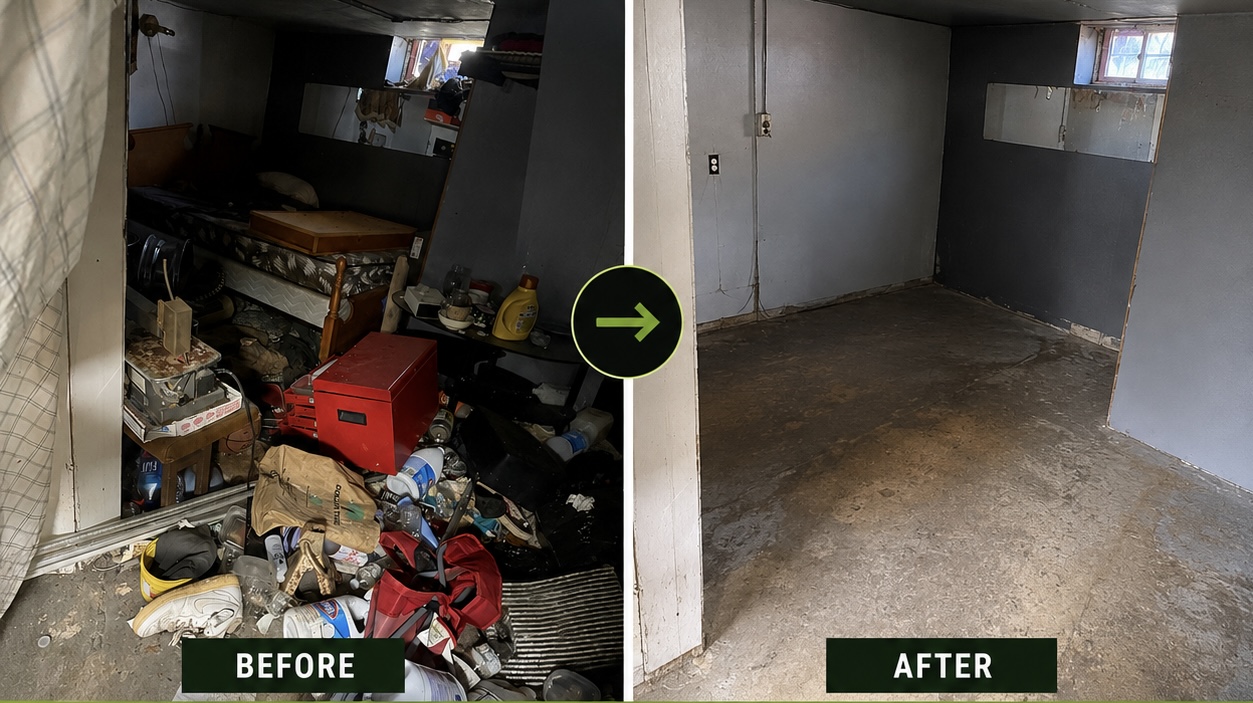
Start With the Scope, Not the Small Stuff
Before focusing on one drawer or one box, look at the full property. Which rooms, storage areas, and outdoor spaces are part of the cleanout? Is the goal to clear the entire home, or only the remaining unwanted contents after family sorting?
Write down the areas involved, the timeline, and the most important concerns. This gives the crew a clearer picture and helps prevent surprises once the work begins.
1. Set Aside What Must Stay
Before any removal work begins, create one clearly labeled place for belongings that are staying with the family or need another review. You do not need to make a final decision about every sentimental item. The important thing is that items that must not be removed are separate from the approved removal areas.
Common items to set aside include:
- Family photos, albums, letters, and keepsakes
- Personal papers that need review
- Keys, small valuables, and obvious heirlooms
- Items promised to another family member
- Anything with a “family decision” label
If there are estate or legal questions, get guidance from the appropriate professional before removing important items.
2. Label What Is Ready to Go
The clearest way to prepare for a cleanout is to make it obvious what is approved for removal. This matters most in rooms where some belongings are staying and others are not.
You can use simple labels, painter’s tape, or a written room-by-room list. Keep the system easy enough that anyone who needs to be involved can understand it.
- Remove: Approved unwanted items and areas.
- Keep: Items that remain with the property or family.
- Family decision: Items that should not be removed until someone confirms.
If an entire room is ready to be cleared, say so clearly. If only selected furniture or boxes are ready, label those items instead.
3. Make Sure the Property Is Accessible
Access is one of the most useful details to share before an estate cleanout. It helps the crew understand how the work will be approached and whether there are areas that need special planning.
Before the estimate or scheduled cleanout, make note of:
- Parking and the best entry point
- Stairs, narrow hallways, or tight turns
- Locked rooms, garages, basements, attics, sheds, or gates
- Areas blocked by furniture or boxes
- Who will provide access or be the point of contact
You do not need to solve every access issue yourself. Simply mentioning it ahead of time makes it easier to plan accurately.
4. Take Photos of the Areas That Need Help
Photos are often the fastest way to communicate the cleanout scope. Take wide photos of each room and include storage areas, bulky furniture, garages, basements, attics, sheds, and exterior items that are part of the project.
Photos do not need to be perfect. They simply help show the volume, access, and type of work involved. For larger or more complicated homes, an on-site estimate may still be the best next step.
5. Confirm the Family Decision-Maker and Timeline
Estate cleanouts can stall when several people are involved but nobody knows who can approve the final plan. Before the cleanout, make sure the crew has one clear point of contact and knows who can answer questions if something comes up.
It also helps to share the timeline. Let the crew know whether the home needs to be cleared before a listing, closing, repair project, move, or other transition. A clear deadline helps everyone plan the work around the property’s next step.
6. Do Not Forget the Storage Areas
Basements, attics, garages, sheds, and closets are often where the most time-consuming parts of an estate cleanout are hiding. Include them in the initial conversation, even if the family is still deciding what stays.
A whole-home cleanout is easier to plan when every area is visible from the beginning. If the project includes several rooms and storage areas, EcoHaul can also help with full-property cleanout services.
Before the Estate Cleanout Crew Arrives
- Confirm which rooms, storage areas, and outdoor spaces are included.
- Set aside family photos, personal papers, heirlooms, keys, and valuables.
- Create clear keep, family-decision, and remove labels.
- Identify one point of contact for the crew.
- Share the property address and the relevant timeline.
- Take wide photos of rooms, garages, basements, attics, sheds, and bulky items.
- Tell the crew about stairs, parking, narrow access, gates, or locked areas.
- Make sure the property can be accessed on the scheduled day.
- Confirm whether the entire house or only selected areas are being cleared.
- Let the crew know if the home is being prepared for sale, transition, or renovation.
- Keep important items away from approved removal areas.
When It Makes Sense to Ask for Help
It may be time for estate cleanout help when the remaining work includes multiple rooms, heavy furniture, appliances, packed storage spaces, stairs, or a property deadline that the family cannot manage alone.
EcoHaul helps families, homeowners, realtors, and property representatives clear larger homes and approved remaining contents throughout Plymouth and the South Shore. Learn more about estate cleanout help in Plymouth and the South Shore, or reach out when you are ready to discuss the property.
Frequently Asked Questions
Do I need to empty the house before the cleanout crew arrives?
No. The goal is not to empty the home yourself. Set aside what must stay and make it clear what is approved for removal so the crew can understand the scope.
What should I set aside before an estate cleanout?
Set aside personal papers, photographs, heirlooms, keys, valuables, and any items that need a family decision before removal begins.
Should I be at the property during the cleanout?
It helps to have a clear point of contact available to answer questions. The best arrangement depends on the property, access, and the agreed cleanout plan.
Can a crew clear basements, attics, garages, and sheds?
Yes. Include those areas when discussing the estimate so the full property scope can be reviewed.
What information should I send before requesting an estimate?
Send the property location, photos of the areas involved, a short description of what needs to be removed, access details, and the timeline if one applies.
Helpful Next Steps
If the family is still sorting, start with how to clean out a parent’s home. If the property is being listed, use the guide to prepare a house full of belongings for sale. To understand estimate factors, read what affects the cost of a whole-house cleanout, or return to the EcoHaul cleanout resources.
Ready to Talk Through the Property?
Send photos, the location, and a short description of the areas that need to be cleared. EcoHaul can help you understand the next step.